Marquis Energy | Hennepin, IL
Knobelsdorff
Specialty Contractor > Electrical (all projects over $10 million) > Electrical
Overview
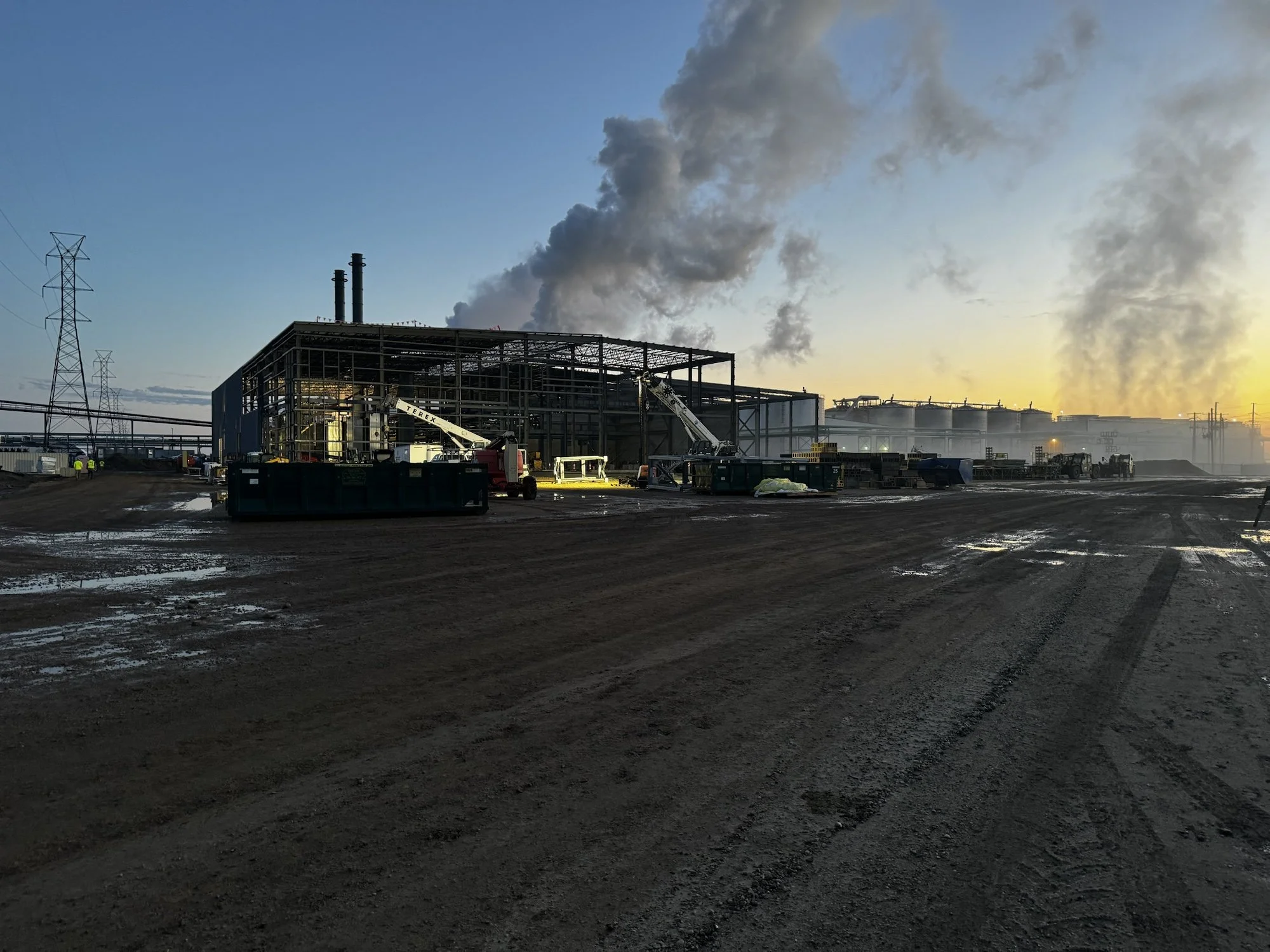
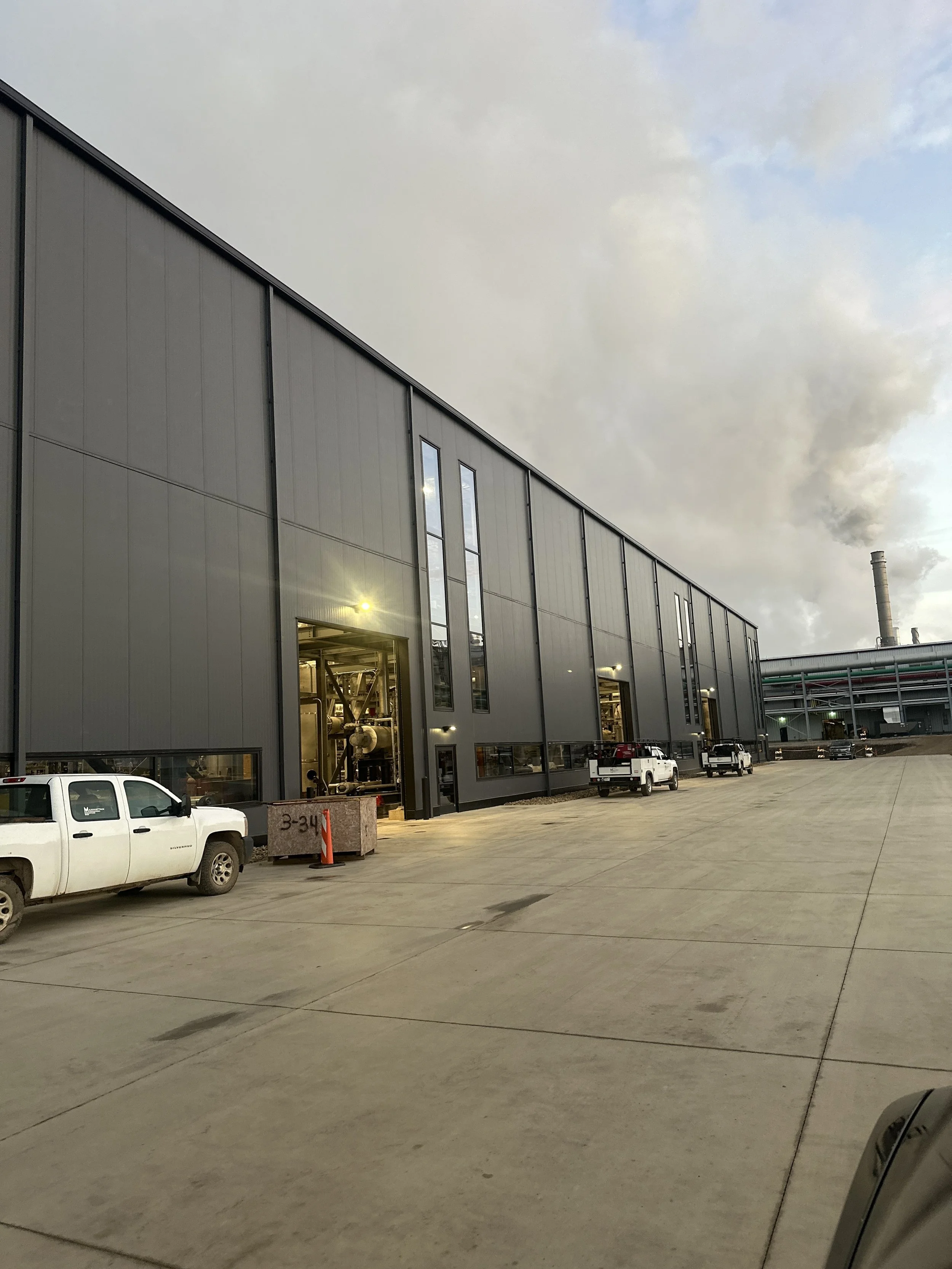
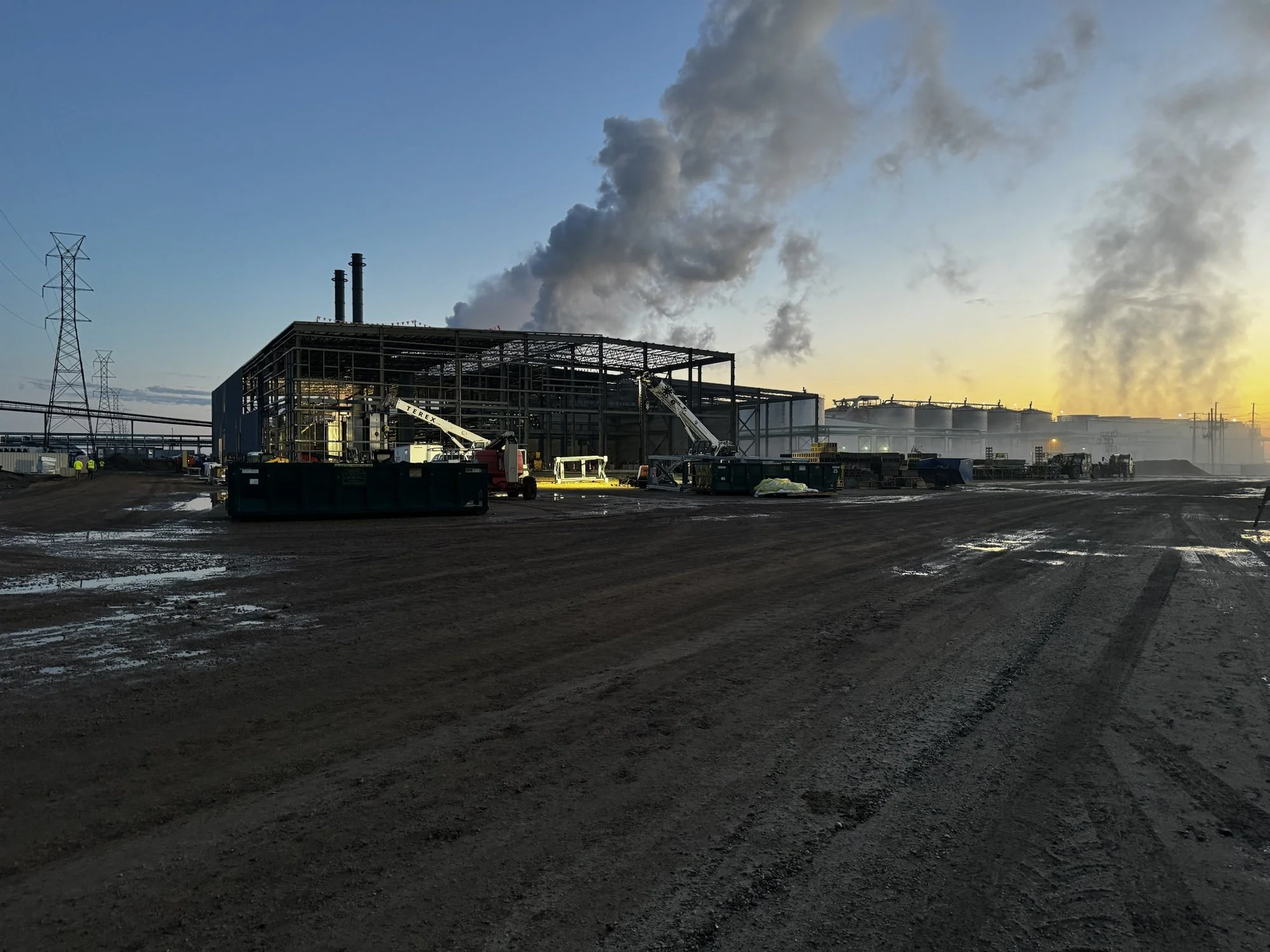
Marquis is one of the largest dry-grind ethanol producers in the United States, with its flagship operation based in Hennepin, Illinois. As part of its long-term sustainability strategy, Marquis launched the Biocarbon Project, an investment in carbon capture and onsite power generation. This facility not only supports the ethanol plant's existing operations but positions Marquis as a national leader in carbon reduction, energy independence, and next-generation biofuel infrastructure.
Knobelsdorff (KE) was contracted to complete the full electrical scope for the project, which stands as a bold example of how advanced infrastructure and environmental responsibility can intersect at scale.
Background & Project Goals
The goal of the Marquis Biocarbon Project is twofold:
to capture 100% of the carbon emissions produced by two on-site ethanol plants
to provide the ability to operate entirely independently from the electrical grid.
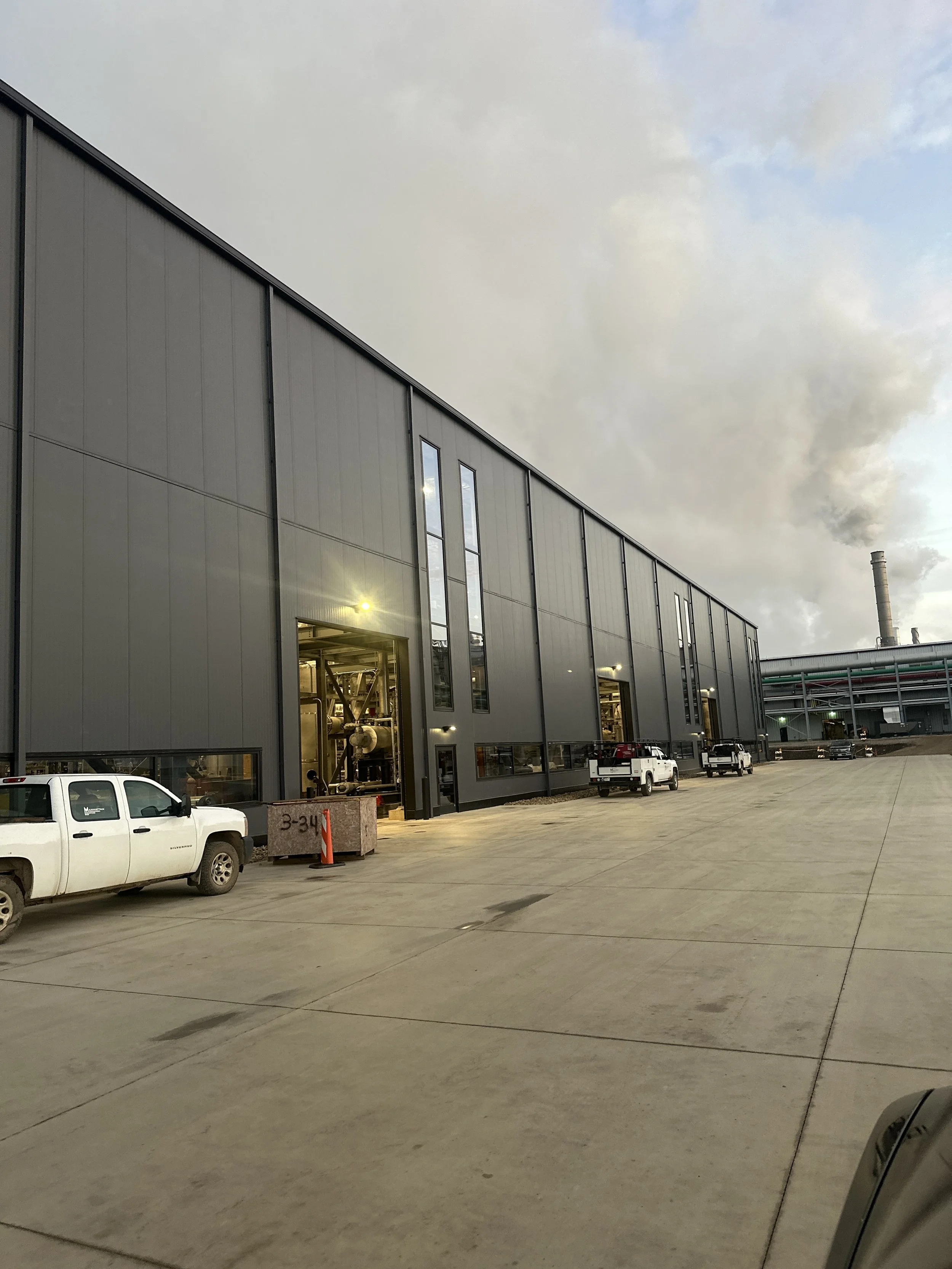
With this project, Marquis gains the ability to self-generate up to 24 megawatts of power through a steam turbine generator (STG), powered by four high-efficiency boilers. The facility includes three carbon compressors and a Class VI injection well, completing a closed-loop system for sustainable carbon management.
Marquis sought a partner who could execute a complex, fast-paced project that would tie into an existing operational site. Knobelsdorff was selected for its ability to fully self-perform electrical work, its proven success in mission-critical environments, and its strong project management, QA/QC, and commissioning capabilities.
Some key components of KE’s work include:
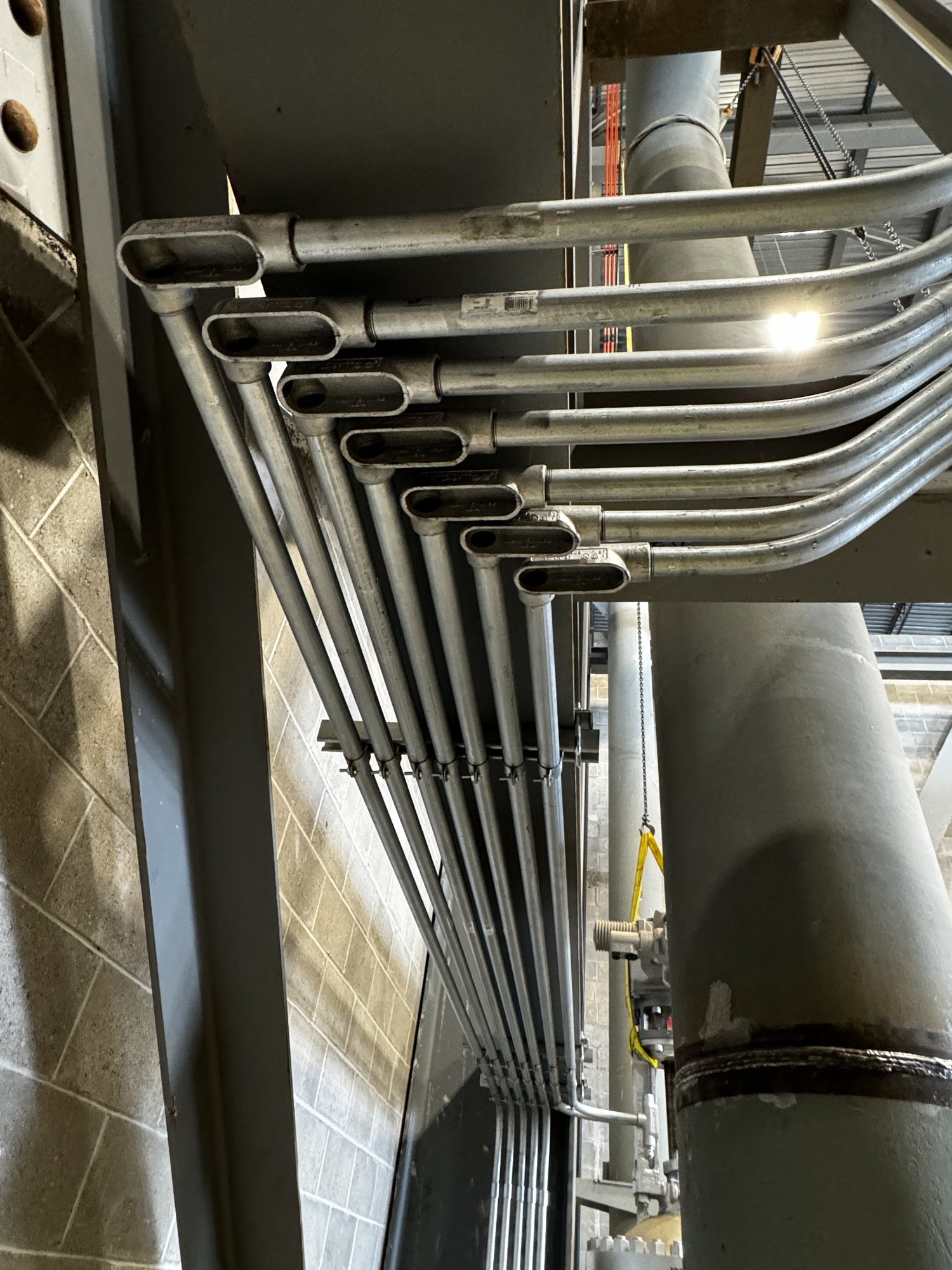
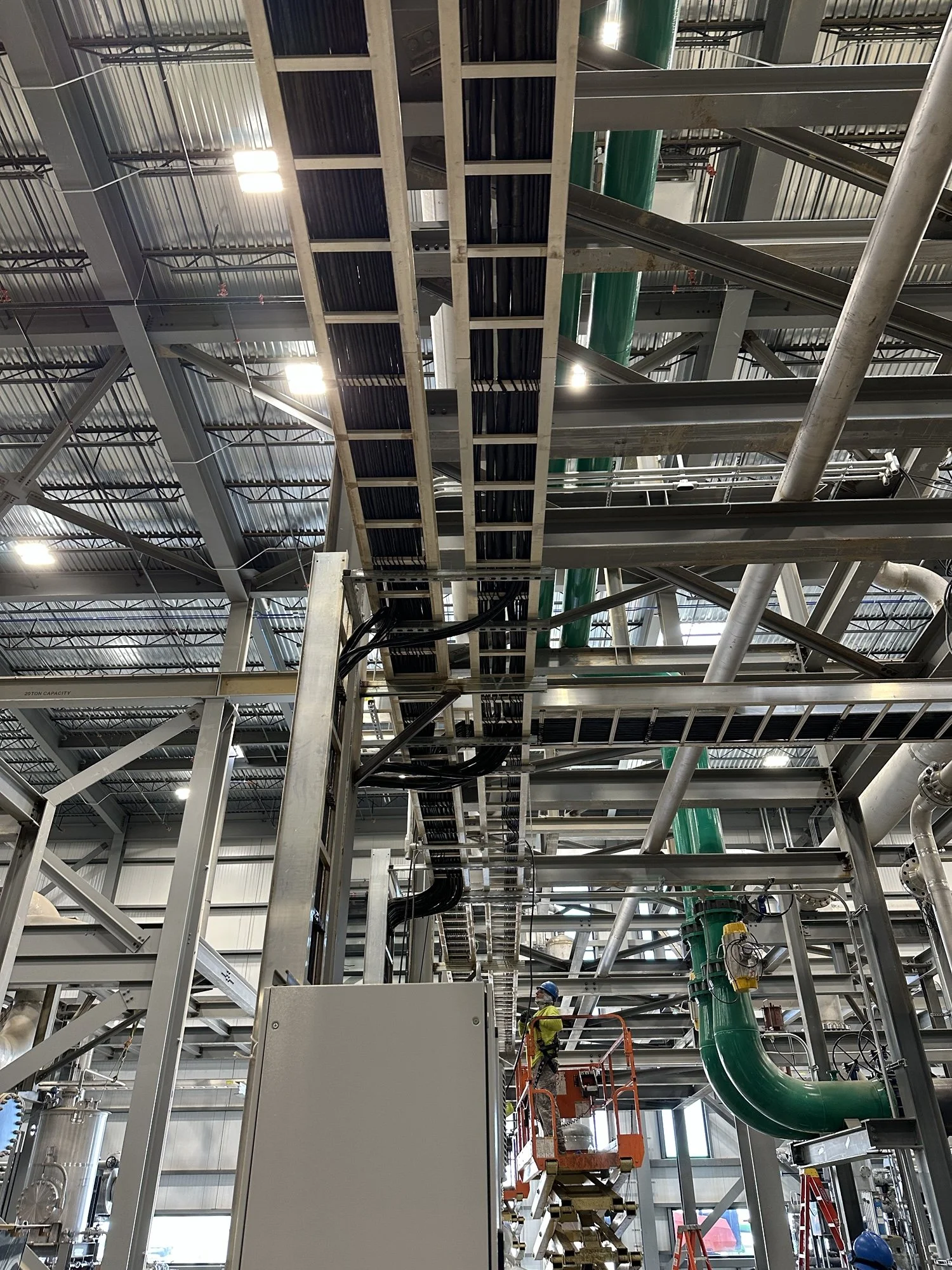
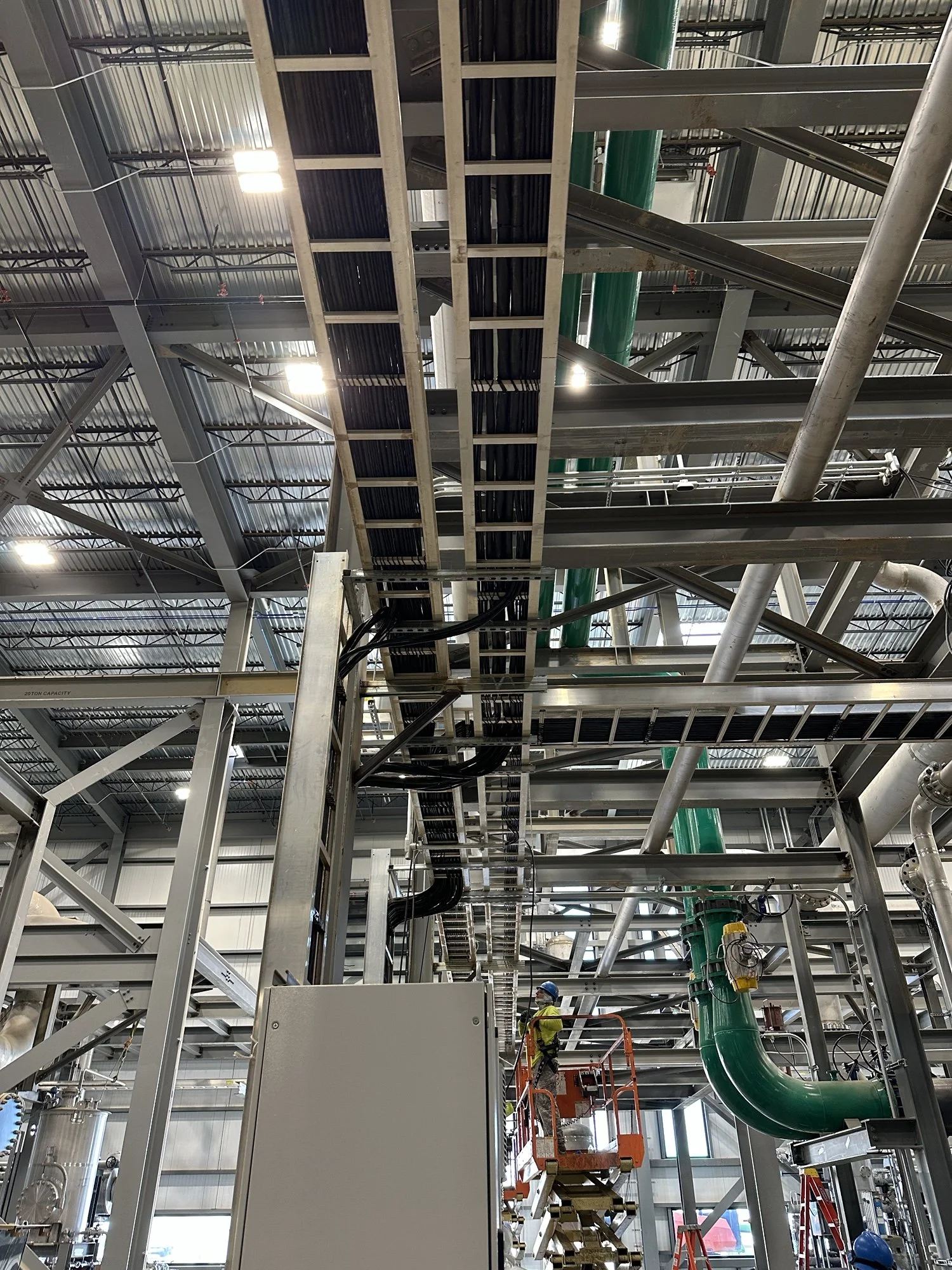
• Installation of all conduit, cable tray, and wiring across the core and shell.
• Full grounding system installation.
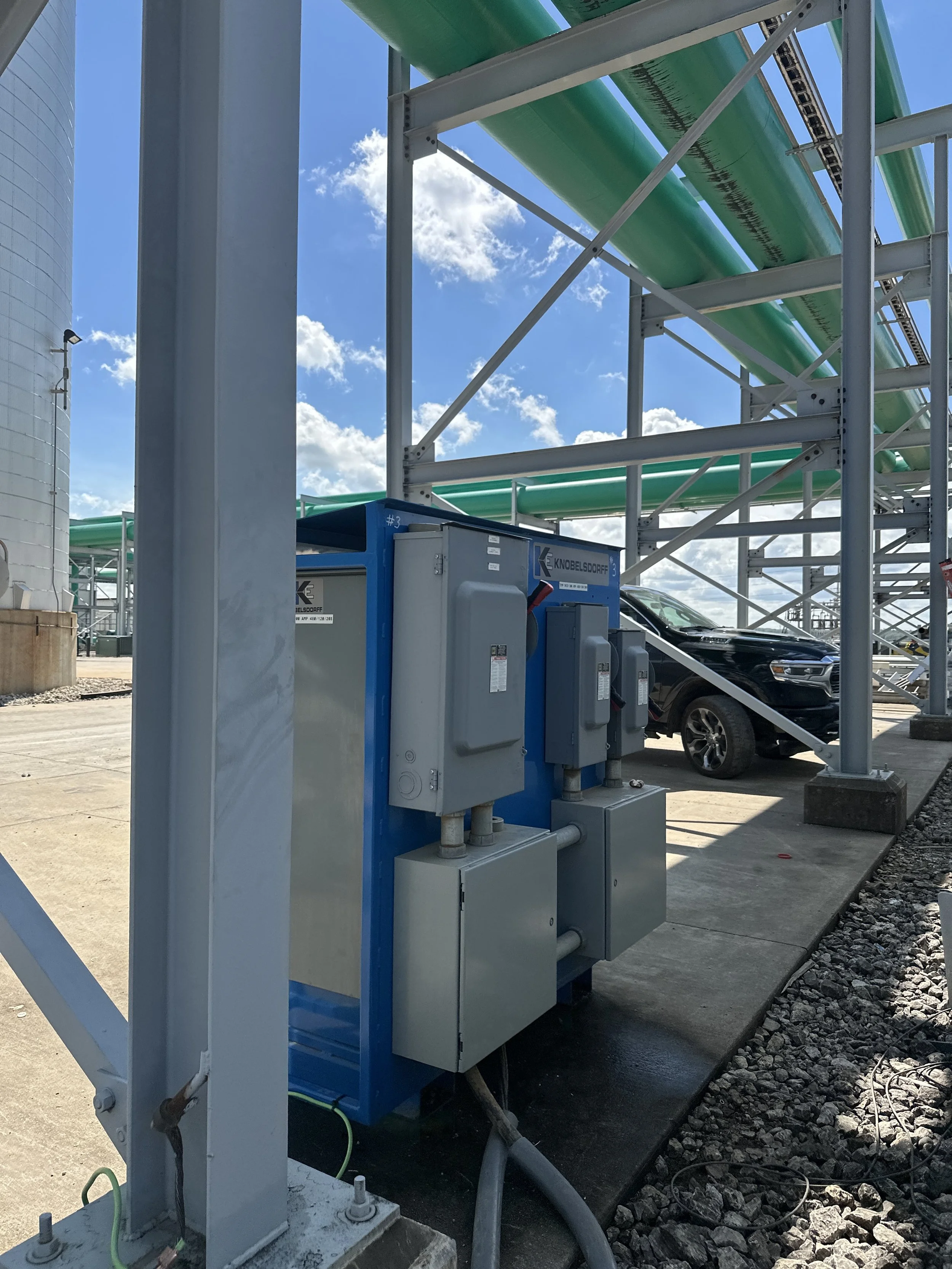
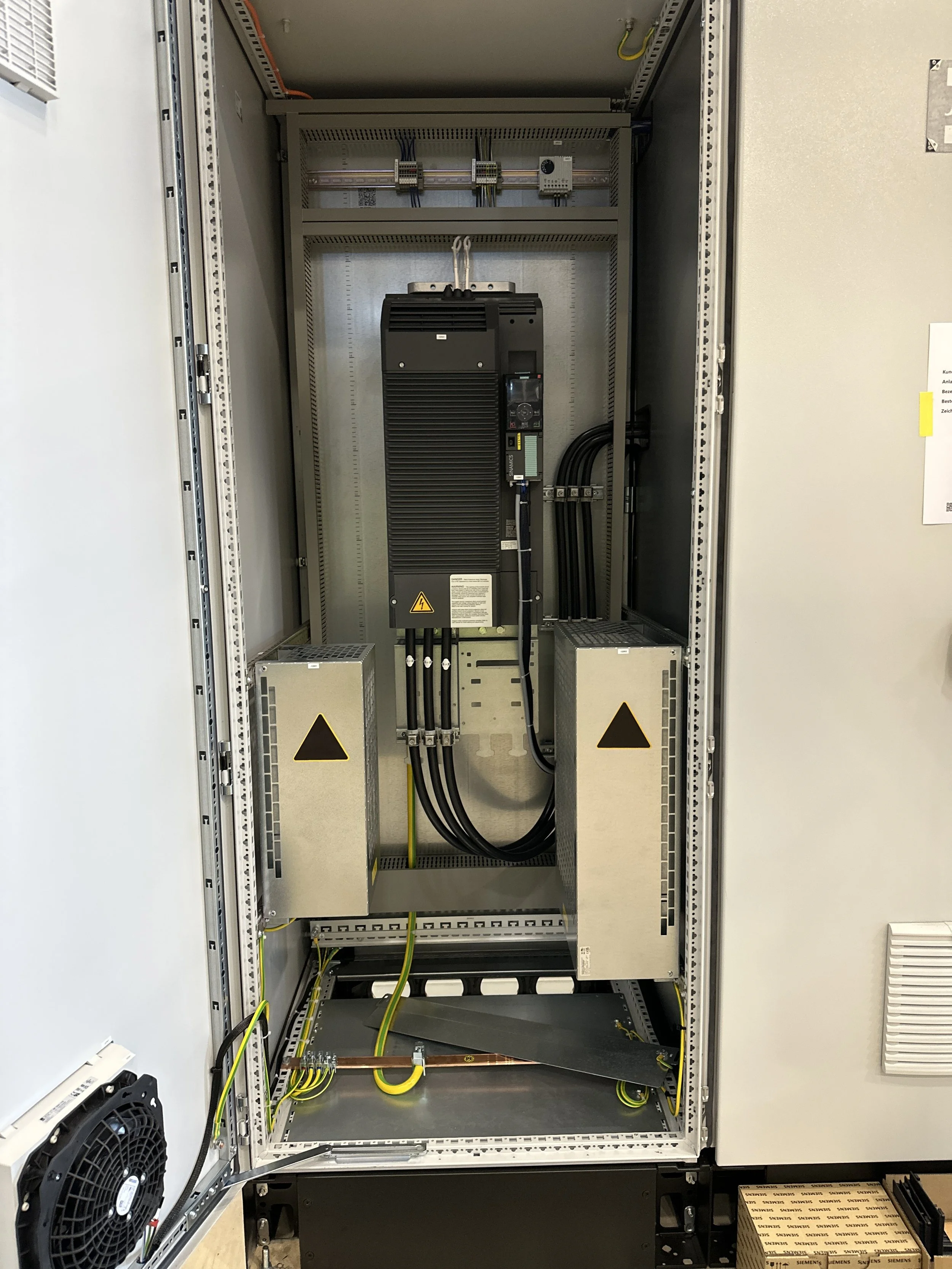
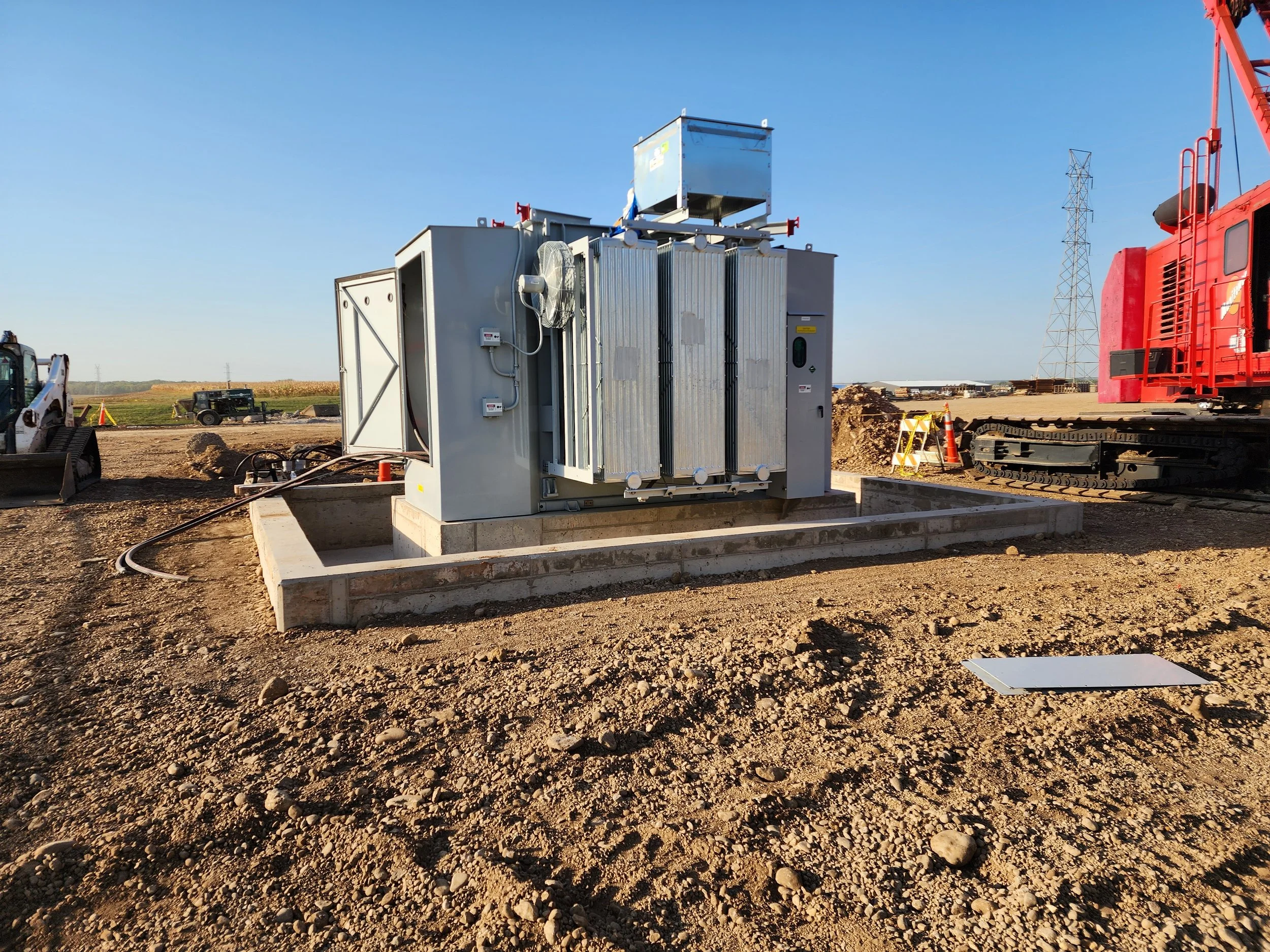
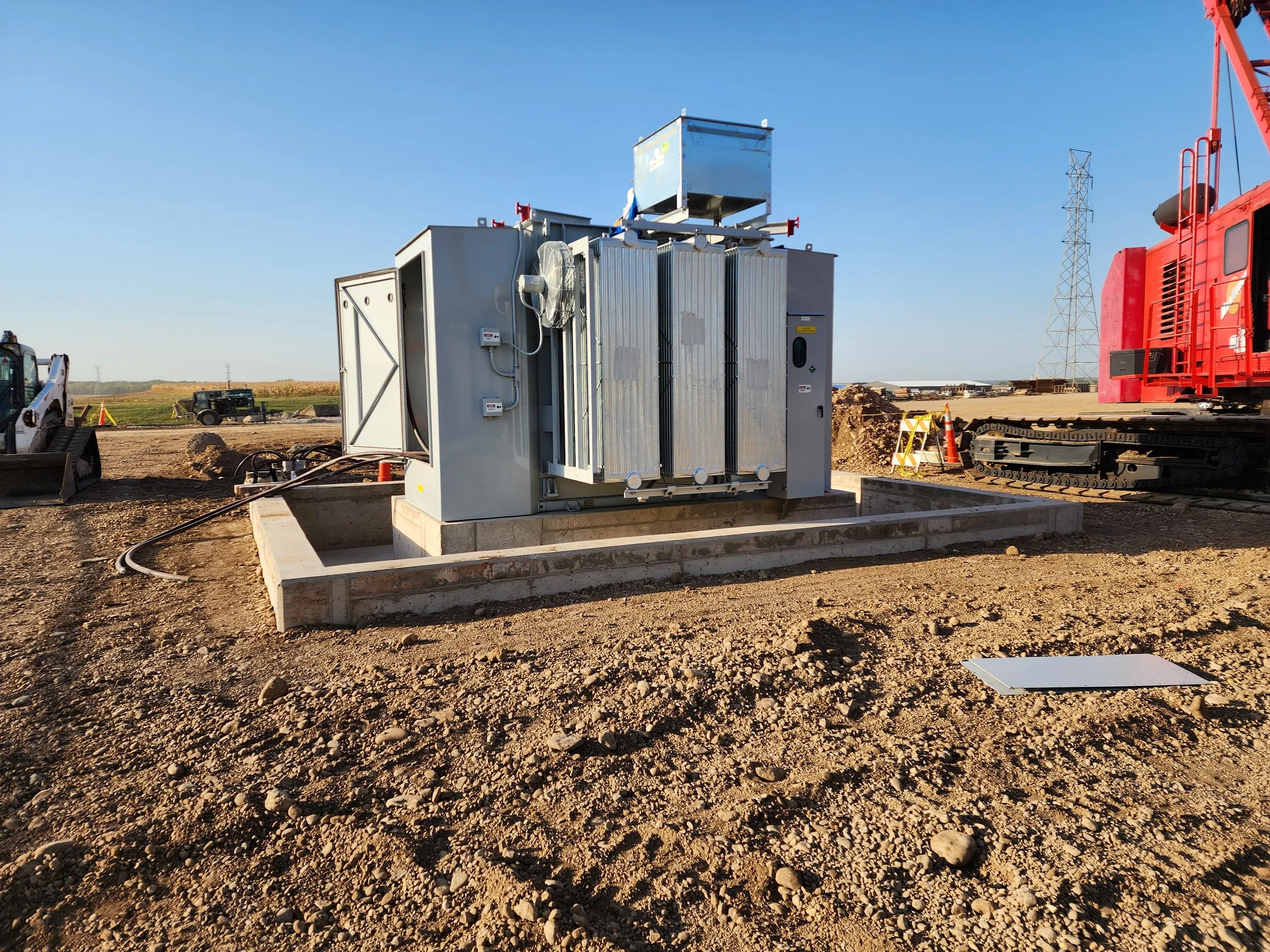
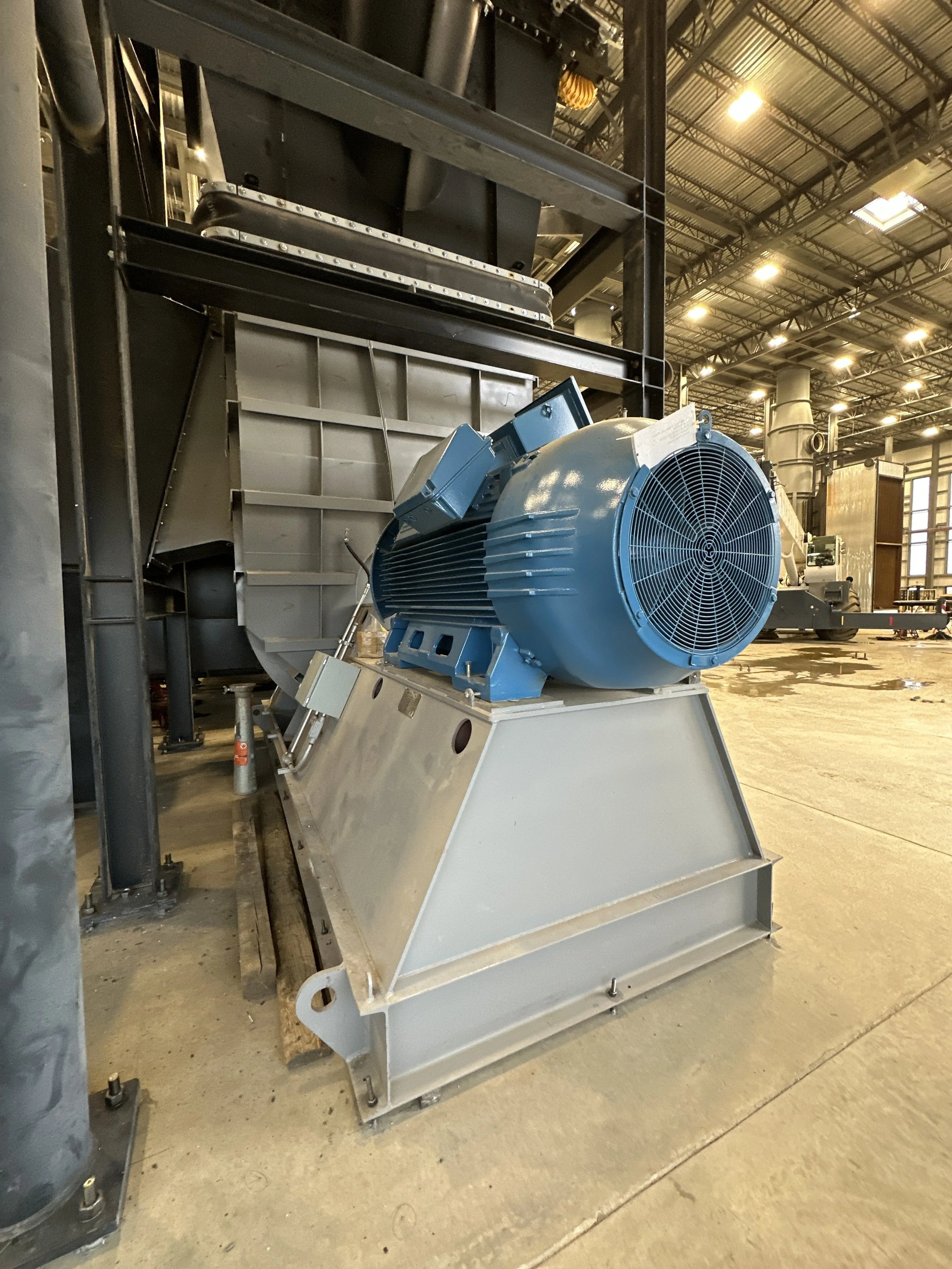
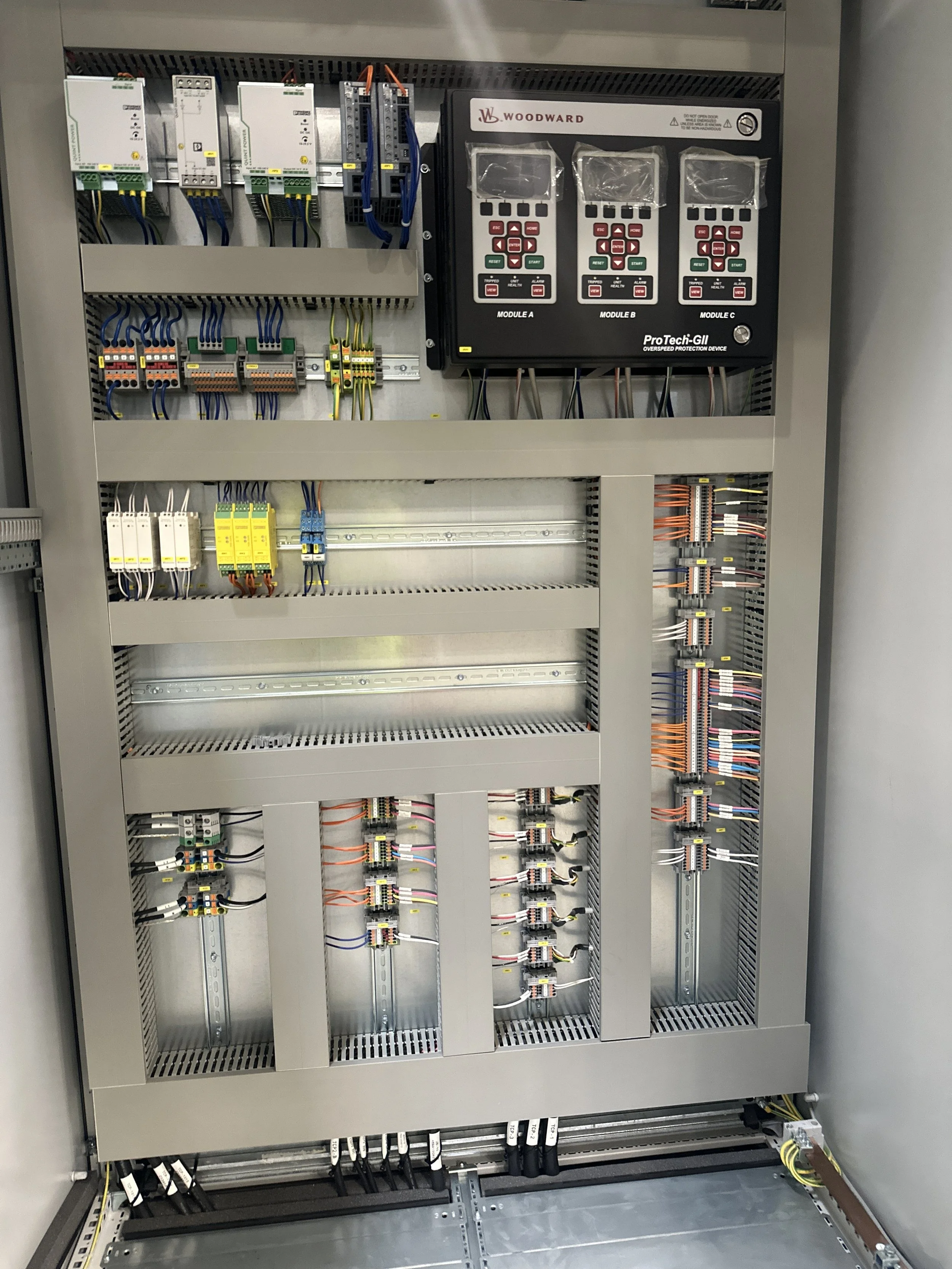
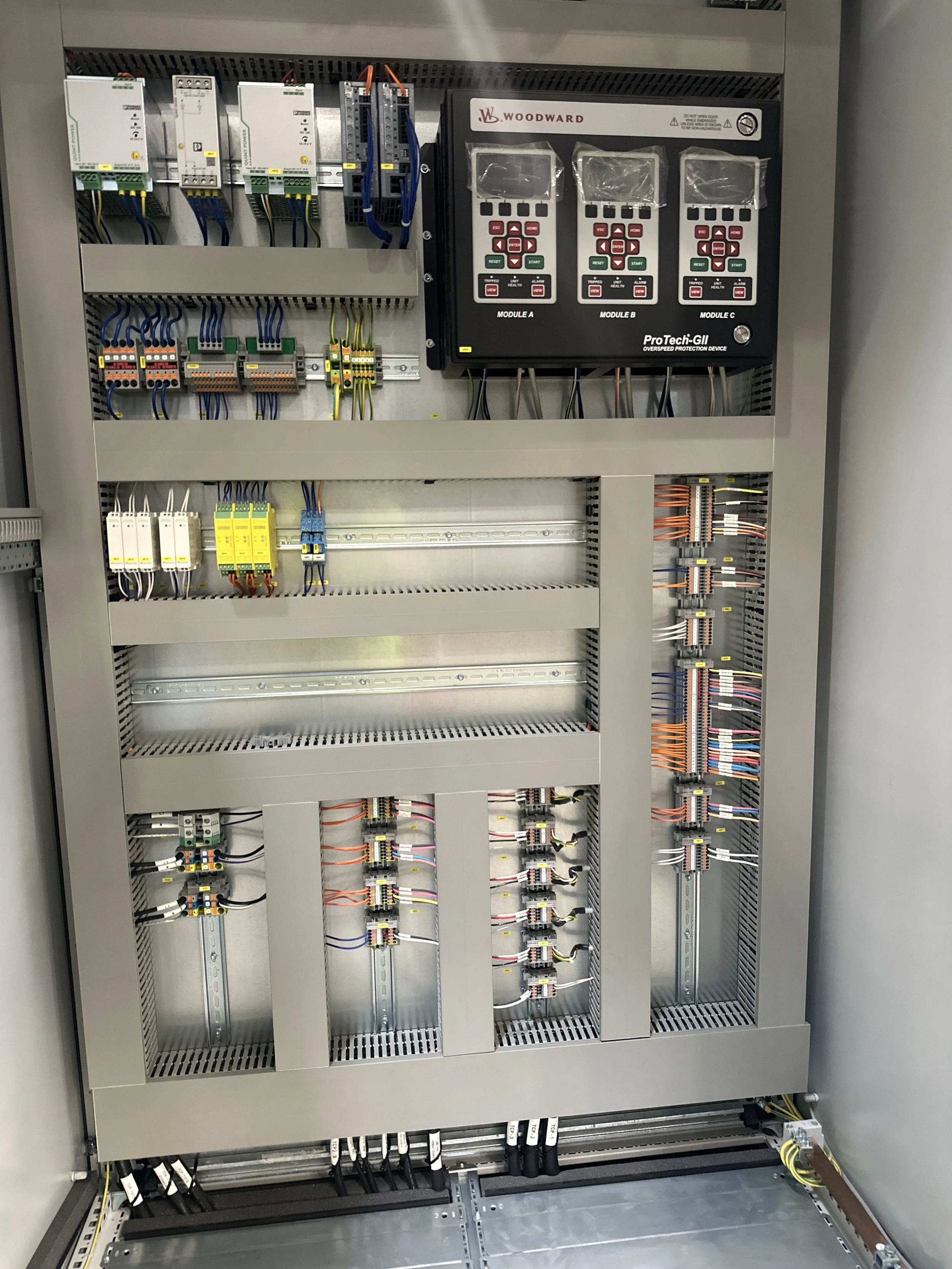
• Control cabling and wiring for owner-supplied equipment including MCCs, transformers, and switchboards.
• Emergency backup system including diesel generator and automatic transfer switch (ATS).
• Medium voltage (MV) distribution and system integration.
• Low voltage (LV) switchboards and MCCs.
• Carbon capture electrical infrastructure: cabling, control, and termination for three compressor trains.
• Boiler feed systems and supporting power for condensate recovery and water treatment.
Preconstruction & Procurement
The project began long before the boots hit the ground. Knobelsdorff's preconstruction team worked closely with Marquis and the engineering partners to review the existing electrical package, identify constructability gaps, and set the standard for field installation. Given the number of owner-furnished items and third-party engineers involved, early coordination and clarification were critical.
Procurement was approached with the long-lead materials in mind, which required support to the CHP and CCS systems. While all major gear (MCCs, transformers, STG, etc.) was supplied by the owner, KE was responsible for the procurement of all raceways, tray, wire, conduit, and grounding components, sourced from strategic partners including Van Meter and Border States.
The quantities installed reflect the scale of this project:
• CCS: 6,000+ feet of conduit, 134,000 feet of cable
• CHP: 200,000+ feet of cable (per PEC cable schedule)
• Shell: Extensive underground conduit, cable tray, and wiring
Execution, Quality, and Field Leadership
All work was 100% self-performed by KE. The field team was hand-selected for its technical capability, familiarity with KE standards, and ability to meet the rigorous expectations of the project. Dedicated QA/QC and commissioning technicians were assigned to the project to validate installation against engineered drawings and ensure startup readiness.
KE deployed dedicated project managers, on-site supervision, and a safety coordinator to the project. Commissioning support and reliability testing were led by KE Power Services, whose scope included validation of all MV and LV systems prior to the energization of the STG and carbon capture systems.
Safety Innovation
KE continues to raise the standard for jobsite safety through the development and deployment of its in-house digital platform, Power Portal. This all-in-one system equips crews with real-time access to safety resources, including digital Job Safety Analyses (JSAs) that can be completed and submitted directly from the field. In addition, the platform’s integrated iTrack tool enables immediate incident reporting and tracking, allowing safety teams to respond quickly and identify trends across job sites. By digitizing these core processes, KE has seen an improvement in compliance and communication and empowering every team member to take ownership of safety.
Lessons Learned
One of the primary obstacles on this project was a lack of engineering support for key systems, particularly on the carbon capture and CHP sides. KE’s field and preconstruction teams stepped in to solve constructability issues in real time, often creating solutions from limited or incomplete information. Coordination between GLE (carbon), PEC (CHP), and GRAFF (core and shell) required deep technical understanding and fast-paced decision-making.
In addition, scheduling coordination between mechanical and electrical trades was a consistent hurdle. With major systems overlapping across carbon, power, and control infrastructure, KE often led inter-trade coordination meetings to clarify handoffs and ensure schedule adherence.
Despite these challenges, KE stayed on track for a completion date in late 2025.
Why This Project is Special
The Marquis Biocarbon Project is a first-of-its-kind integration of energy generation and carbon sequestration at a dry-grind ethanol facility. From an electrical standpoint, it’s notable not only for its complexity but also for its sustainability-driven purpose. KE’s installation directly supports:
• 24MW of self-generated electricity, enabling full facility operation off-grid
• Three carbon compression trains, feeding into a Class VI injection well for deep sequestration
• Full electrification of CHP systems, displacing utility demand and increasing energy resilience
This project is a national model for how the biofuels industry can reduce carbon emissions while enhancing energy security. Marquis will now be able to power both of its ethanol plants using self-generated energy and capture all carbon emissions at the source.
The impact is financial, operational, and environmental:
• Substantial reduction in monthly utility spend
• Increased site reliability and control over power generation
• Near-zero emissions with full carbon capture
• Demonstration of what’s possible when sustainability and infrastructure are tightly aligned
Results
As of mid-2025, all major systems are in place, with final commissioning underway. Knobelsdorff has completed installation of:
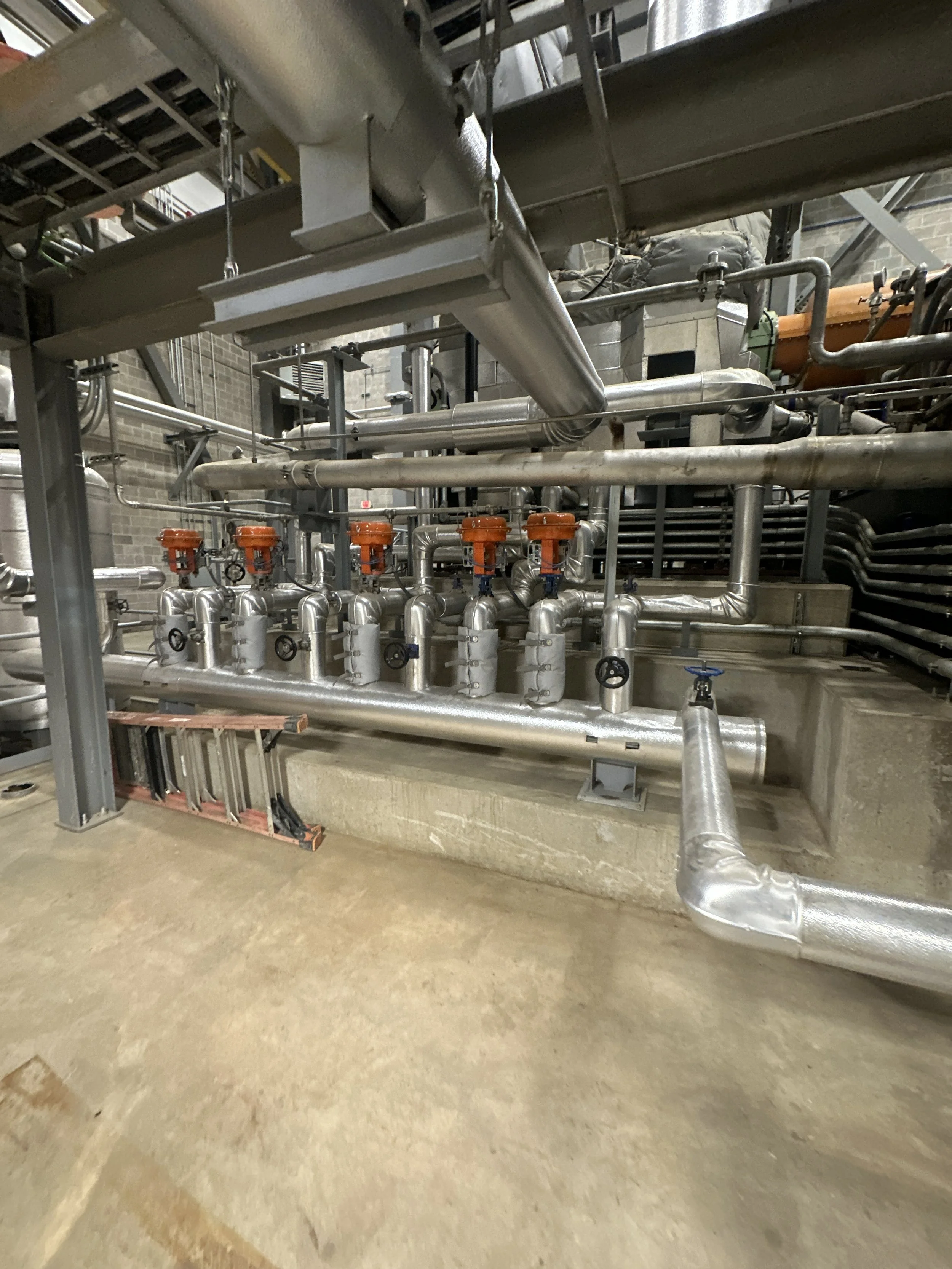
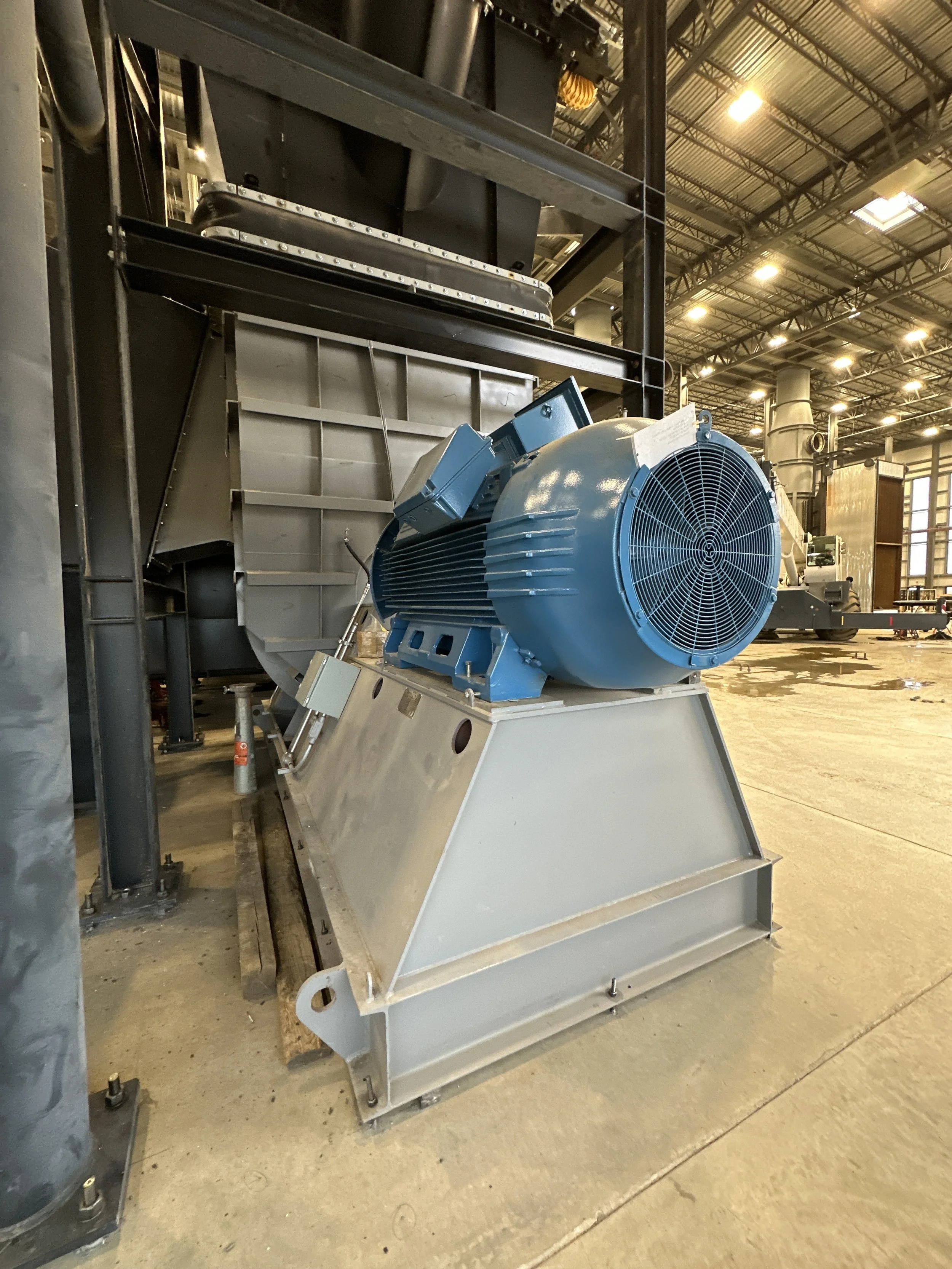
• 4 industrial boilers and supporting systems (DA tank, feed pumps, water treatment)
• A 24MW steam turbine generator
• MV and LV electrical distribution infrastructure
• All MCCs, transformers, switchgear, and control cabling
• Three carbon compressors with supporting conduit, wire, and power systems
• Emergency backup generator and ATS
• Full site grounding and interconnection
Once final startup and testing are complete, Marquis will have one of the most advanced and energy-independent biofuels operations in the country.